
A successful team building is more than just a fun activity. The goal is to create a useful moment to get to know each other better, improve collaboration, and leave with concrete actions. Trimoji helps structure this type of activity by providing a clearer understanding of individual and collective working styles, and then facilitating discussion.
Trimoji does not replace the human element or the facilitator. The platform serves as a support to frame the discussion, put words to differences, and prevent the team building from remaining a fleeting moment without follow-up.
Do you want to transform a team building into a useful, structured, and actionable session for the team?
Request a Trimoji demo
Our Added Value
When to use Trimoji for a Team Building
- ✅ Team that doesn't know each other well (new team, rapid growth, reorganization)
- ✅ Integration of new members or change of manager
- ✅ Need to align working and communication styles
- ✅ Diffuse tensions, misunderstandings, decreased fluidity
- ✅ Desire to establish a common framework and operating rules
Benefits
What Trimoji brings to a Team Building
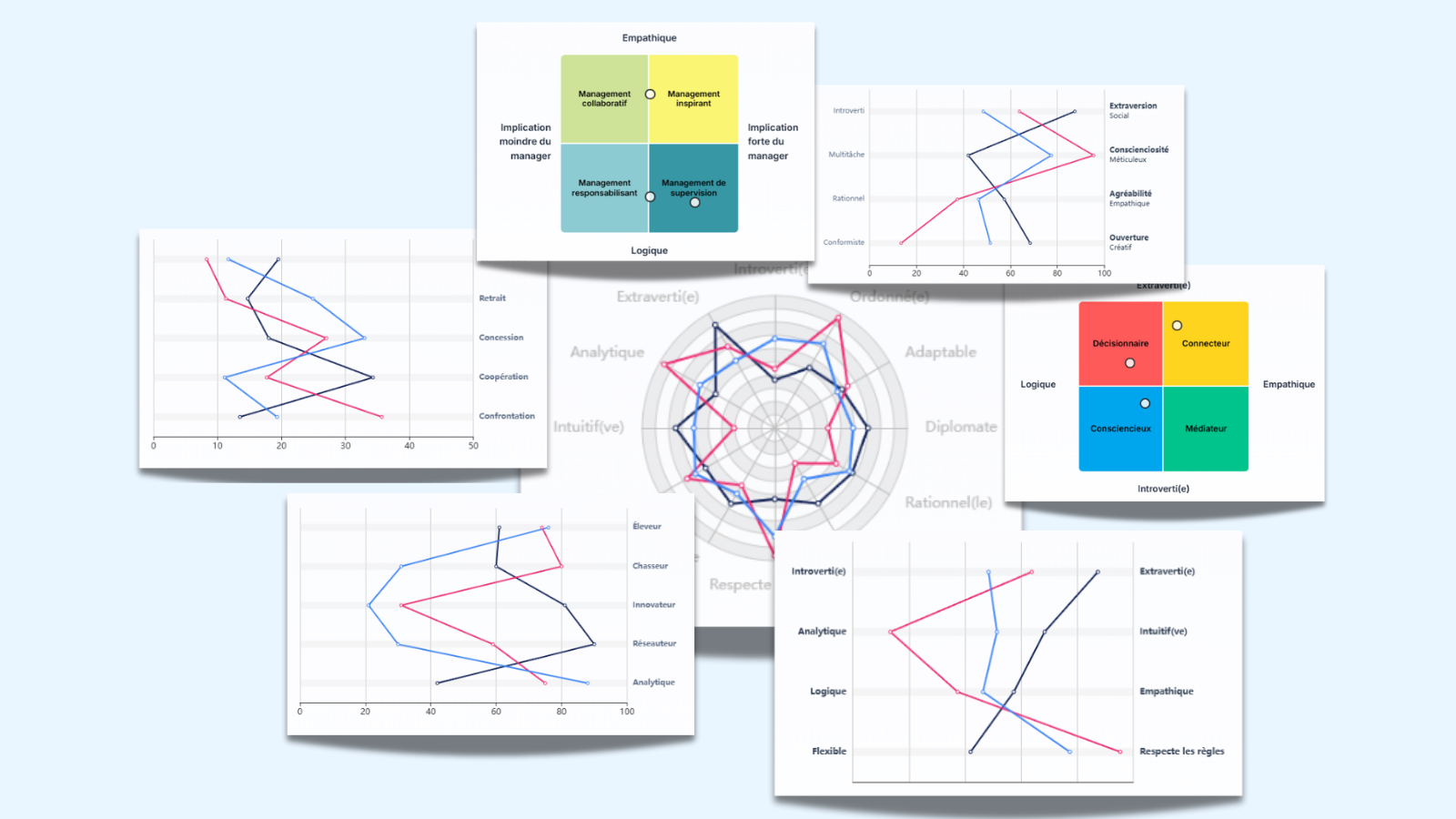
1) A team snapshot
Trimoji provides an overview of the team across various psychometric models to understand general operating trends and balances. It helps highlight dynamic elements such as complementarities, differences in pace or decision-making, and potential areas of concern.
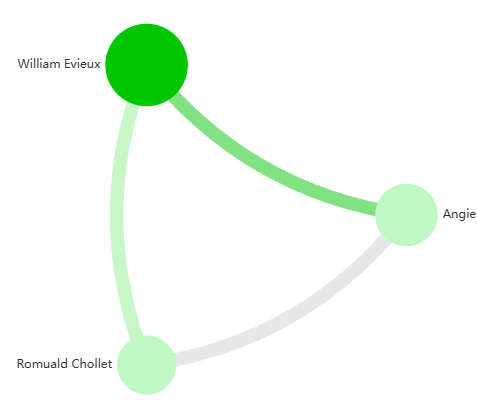
2) An insight into compatibility and affinity between colleagues
By comparing profiles, you can shed light on natural collaboration styles and areas that may require clarification (communication, feedback, autonomy, disagreements).
3) A neutral tool for discussing sensitive topics
Trimoji helps move away from personal judgment. The activity can focus on facts and reference points, rather than accusations.
4) Adjustment actions at the end
The goal is to translate insights into simple decisions: clarifying roles, adjusting rituals, defining communication rules, framing decision-making processes.
Methodology
Recommended flow for a Team Building with Trimoji
Step 1: Frame the objective
Clarify why you are conducting this team building. Examples: improve communication, streamline decision-making, strengthen trust, better integrate new employees.
Step 2: Prepare the assessments
Team members complete the soft skills assessment according to your organization's setup. The goal is to have a common basis before the session.
Step 3: Start with the team snapshot
Begin the session with a global overview of the team to establish a framework and identify trends.
Step 4: Explore the dynamics
Identify areas of complementarity and potential friction. Discuss concrete everyday situations.
Step 5: Work in pairs or small groups
Compare 2 or 3 profiles on specific scenarios. Example: how we coordinate, how we give feedback, how we make decisions when we disagree.
Step 6: Formalize operating rules
Develop a mini action plan. Examples:
- ✅ Communication rules
- ✅ Team rituals
- ✅ Decision-making methods
- ✅ Rules for prioritization and handling urgent matters
- ✅ Points of attention for integrating new members
Step 7: Post-team building follow-up
Review the decisions made after 2 to 4 weeks.
The team building becomes a starting point, not an afterthought.
For Participants
Participant Experience
A useful, non-intrusive experience
The goal is to help everyone understand themselves and others better, without labels or judgment.
Easier conversations
With structured support, conversations are easier to conduct, especially when topics relate to collaboration.
Concrete outcome
Participants leave with a clearer understanding of the team and concrete actions, not just a pleasant moment.
Frequently Asked Questions
FAQ
Does Trimoji replace a coach or facilitator?
No. Trimoji provides reading support. Facilitation, group management, and transformation into actions remain human-driven.
Is it useful even if the team is doing well?
Yes, especially for prevention. A team snapshot and explicit operating rules can prevent future friction.
Is it used to judge people?
No. The goal is to better understand working styles and improve collaboration, not to rate individuals.
How much time should be allocated?
This depends on the objective. A short format may suffice for a team snapshot and some basic rules. A longer format is useful for working through specific scenarios and developing an action plan.
Do you want to transform a team building into a useful, structured, and actionable session for the team?
Request a Trimoji demo